
BLOG

Acupuncture & Chinese Herbal Medicine for the Symptoms of Long Haul Covid
Long Haul Covid is a frightening proposition that gets plenty of attention in the media. And while lingering issues after a ... read more

Learning Courage
At dinner with a friend the other night, we discussed some of the traits we were grateful to have acquired from our parents. Both of ... read more
Treating back pain during pregnancy with acupuncture
Back pain during pregnancy is a common complaint of women in the later stages of pregnancy. Not only is there the issue of a growing ... read more
Chinese medicine for diabetes and metabolic syndrome
Most folks know there are two kinds of diabetes. Type 1 is caused by the insulin-producing cells of the pancreas failing to do their ... read more

Acupuncture Does Not Heal Like Biomedicine
Acupuncture does not heal like biomedicine. It is not a magic bullet synthesized to kill the source of suffering. It’s more like how the sun coming out after a week of cold drizzle will elevate your mood in a way that no pharmaceutical could come close to matching. read more
More Misconceptions about Meditation
Meditation is not something that takes you “away.” It does not remove you from your troubles, nor does it take your troubles away from ... read more
How Does Acupuncture Work?
Many of us Westerners think acupuncture is either pseudo-scientific mumbo-jumbo or a miracle cure. It’s neither. Our unfamiliarity with it easily leads us to imagine it’s either a one-and-done treatment or wishful thinking. read more
Getting smart about pain
Pain-free is not an option. Whether it’s the pain unfolding into the next phase of life, like a flower bud holding tight against ... read more
Have you given up on getting rid of your sweet tooth?
You might think that the process of change is all about will power, and your supply of that precious commodity is not up to the task. ... read more

End your sugar addiction
Sugar addiction is something that usually gets laughed off with a wink and smile. And yet, as Gary Taubes says in his latest book, The ... read more

Realistic expectations hold your feet to the right fire
It’s easy to set impossibly high goals and then decide to give up because we fail to meet those goals.It helps to acknowledge that ... read more
The two step process to breaking sugar addiction
I used to work with a woman back in my high tech days who talked about her two-step program to dealing with problems in life; “get ... read more
Acupuncture for stress reduction and anxiety
I often walk into a palpable stillness when entering the room where someone has been marinating with needles for 20 or 30 minutes. ... read more
Why do we put needles in the feet for headaches or in the elbow for knee pain?
We tend to think of the body in the same way we think of buildings. There is a frame (bones), plumbing (blood vessels), wiring ... read more
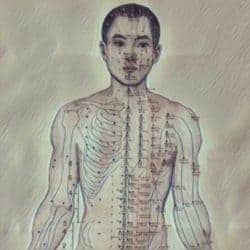
Ten Things You Probably Did Not Know About Acupuncture
Acupuncture is not just for treating pain. You don't have to "believe" in it for it to work. For that matter, the practitioner ... read more
氣 is not pronounceable in English
Qi is not pronounceable in English. Its whistled aspiration is not a sound found in our language. And much as we can approximate it ... read more
Resistance
I suspect you have encountered this. That there is a decision made to break the lizard brained pattern of habituality; it ... read more
Giving up tobacco is not an event; it’s a process
Becoming a non-smoker is more than giving up nicotine, getting out it of your bloodstream and having your chemistry adjust ... read more
Cupping 2.0: vacuum therapy that doesn’t suck
Anyone who has experienced the deep relief from muscle tension that cupping provides knows about the transformative affect of ... read more
No Guarantees
You see it in most advertising, whether it’s for wheels, clothes or computers: The Guarantee. It underlies the been-burned-before ... read more
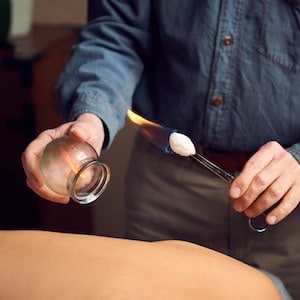
Cupping FAQ
How does cupping work? Cupping employs the localized use of negative pressure (vacuum) to reverse the centripetal pull of gravity. ... read more
But, I don’t have a diagnosis
Recently a number of people have asked, "What would be the kind of problem one would bring to acupuncturist for treatment?" I hear the ... read more
Biological terrain, resistant starch, and gut flora
As biochemistry evolves, we truly see that we are not separate from the “outer” environment, but rather profoundly connected with it. ... read more
Acupuncture and Chinese Herbs for Prostate Conditions
Perhaps it is a reflection of the upbringing that most men had, the notion that males are strong and silent, and that boys ... read more
Five Common Misconceptions About Meditation
In clinic I hear a few common misconceptions about meditation. I hear them all the time. 1. I’m a failure because I can’t get my ... read more
Pivotable moments
There are moments were the world is suddenly and completely different. The first moment you noticed her hair falls like a kiss ... read more
Whiplash: fascia and the magic of decompression therapy
We usually only think about pulled muscles, whip-snapped ligaments and damage to cervical disks when suffering the aftermath of a ... read more
Beat the common cold with ginger and cinnamon
Chinese medicine sees there being two types of types of common cold; the "hot" cold and the "cold" cold. Sound odd? It is not. Just ... read more
Chinese Medicine Guide to Taming Allergies
Does spring's fragrant exhale have you longing for cold winter days? Feeling like you are trapped into a lifetime relationship with ... read more
Acupuncture is expensive?
We hear this a lot because insurance companies in Missouri rarely cover acupuncture treatments, which to us seems strange as a dozen ... read more
Falling apart, or falling together?
I first noticed it in Taipei while immersing myself in Chinese. Erroneously, I thought that the drip, drop, drip of daily lessons and ... read more
The Jewish Mother’s Guide to Chinese Medicine
There is really nothing magical or special about Chinese medicine. Much of it is just plain old (un)common sense. Stuff you would ... read more
Does Acupuncture Really Work?
This is a common question from those of us living in the West. It should be too! We didn't grow up with uncles that knew something ... read more
Acupuncture for shingles, Bell’s palsy and neurological problems
Neurological issues like shingles, Bell's palsy and certain kinds of neuropathy often show up with the speed of a sudden ... read more
Does Acupuncture Hurt?
If it is pain you want, we can refer you to some other therapies. Acupuncture, while it does have sensation, few would call it ... read more
How long does it take acupuncture to work?
Sometimes acupuncture seems like a miracle. A strained back that suddenly turns into "I guess I did not twist it as bad as I thought I ... read more
Treating a lingering cold with Chinese medicine
There comes a point where you can not remember the last time you felt well. That day when you realize the vitality you remember having ... read more
Misconceptions about acupunctureYou have to be Chinese to practice acupuncture
One of the best things about living in Asia is that I got to see firsthand there were some amazing practitioners of Oriental medicine, ... read more
Misconceptions about acupuncture: Belief
A common misconception about Chinese medicine is that you have believe in it for it work. That somehow your worldview and thought ... read more

Chinese medicine for trauma, injuries and pain
When dealing with trauma or pain, remember-- Ice is for dead things! The Chinese martial arts know a lot about trauma ... read more
Acupuncture and Chinese herbs for weight loss
Oddly enough, your weight has very little to do with the calories you consume and acupuncture is not the miracle you have been ... read more
Acupuncture for Migraine Headaches
They come with a flash of light, the sharp crack of an unexpected noise, or the "one more thing" of accumulated stress. Like ... read more
What Does Acupuncture Feel Like?
It feels like that moment when you experience a sudden jump of fluency level in the new language with which you have been struggling. ... read more

Acupuncture and Allergies
The effervescent fuchsia and chartreuse gives the falling spring rain a soft pitter patter hush. So different from the water that ... read more
Antibiotics are useless against the common cold
Yet another study confirmed recently that placebos are as effective as antibiotics when it comes to curing sinus infections. ... read more
Acupuncture and the Treatment of GERD
Lowering acid is the not the solution for heartburn! Excess stomach acid is not the problem. You need your stomach acid. It digests ... read more
Acupuncture and Chinese herbs for UTI’s
When antibiotics fail; more is not always better when treating urinary tract infections. It is usually a simple 2+2 ... read more
How does Chinese medicine work?
I get this question all the time, but I think there is actually another question that is lurking beneath this one-- The real question ... read more
Acupuncture and Chinese Herbs for Fertility
If you have experienced issues with fertility, then you likely have put acupuncture and Chinese medicine on your list of treatments to ... read more
Treating Meniere’s disease with Chinese medicine
Acupuncture is well known for its ability to treat pain, regulate a woman's menstrual cycle, and instill a deep sense of quietude and ... read more
Asking the right questions
There is a method of telling fortunes in Taiwan. Actually, there are many methods of telling fortunes in Taiwan. Fortune tellers in ... read more
Unkink a stiff neck
Neck pain one of the most common complaints for those of us that live in the modern computer linked world. It not only leads to ... read more
What does that L.Ac after your name mean?
L.Ac means three years of focused effort in learning the theoretical and clinical skills that give a practitioner enough experience ... read more
The Health Benefits of Tea
It is as common as common knowledge gets; tea is good for you. It overflows with constituents that anti-oxidize, scrub free radicals, ... read more
Put yourself in front of what you want
Making a difference rarely is the result of stunningly bright talent alone. Genius and the odd bent of ability, while useful, will ... read more
Acupuncture and the treatment of cancer
Chinese medicine operates on a set of principles different from those upon which western science is founded. It is completely foreign ... read more
Forget affirmations, buy Taiwanese stationary!
. Affirmations never worked for me. They are like lost post-it notes from another dimension, lacking a certain verve, and calling ... read more
It counts as progress
How do you know you are feeling better? By what yardstick do you measure health and wellbeing? How do you know your situation is ... read more
What is that you need to stop doing?
Activity. Doing. Pursuing our dreams, passions, goals, it is what gives meaning and juice to life. In our ever forward tumble toward ... read more
We are not machines
We are more than the metaphoric reflections of modern life's machinery. Our heart is not the emotionless cyclical drone of a pump. Our ... read more
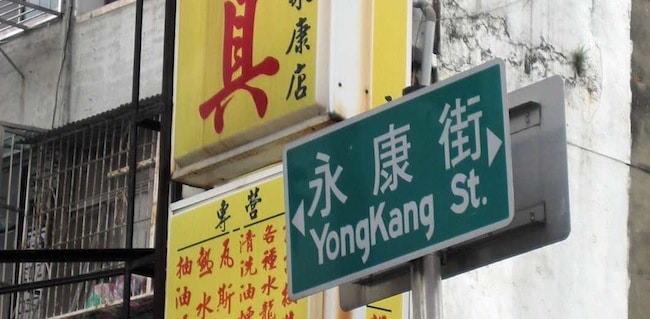
The Roots of Yong Kang Clinic
Life in Taiwan is different. It's not just the tropical air mixed with the exhaust of innumerable scooters and sweat of 26 million ... read more
Chinese medicine treats that?
While well-known (and justifiably so) for the treatment of pain. Acupuncture and Chinese herbal medicine are useful for all ... read more
Treating allergies: symptomatic cure or fundamental rebalancing?
Walk by the "allergy" section of any drugstore, expose yourself to less than an hour of primetime TV, or flip casually through any ... read more
Are Chinese herbs dangerous?
I love watching those Olympic athletes bump through a mogul field, float a corkscrewed flip, land like cat and continue to scream like ... read more
Cheap and Stylish Sunscreen
Long before we had bright florescent bottles filled with SPF rated goo, the Chinese came up a delightful form of protection from the ... read more